Integrating Heartbeat Monitoring in VR Gaming
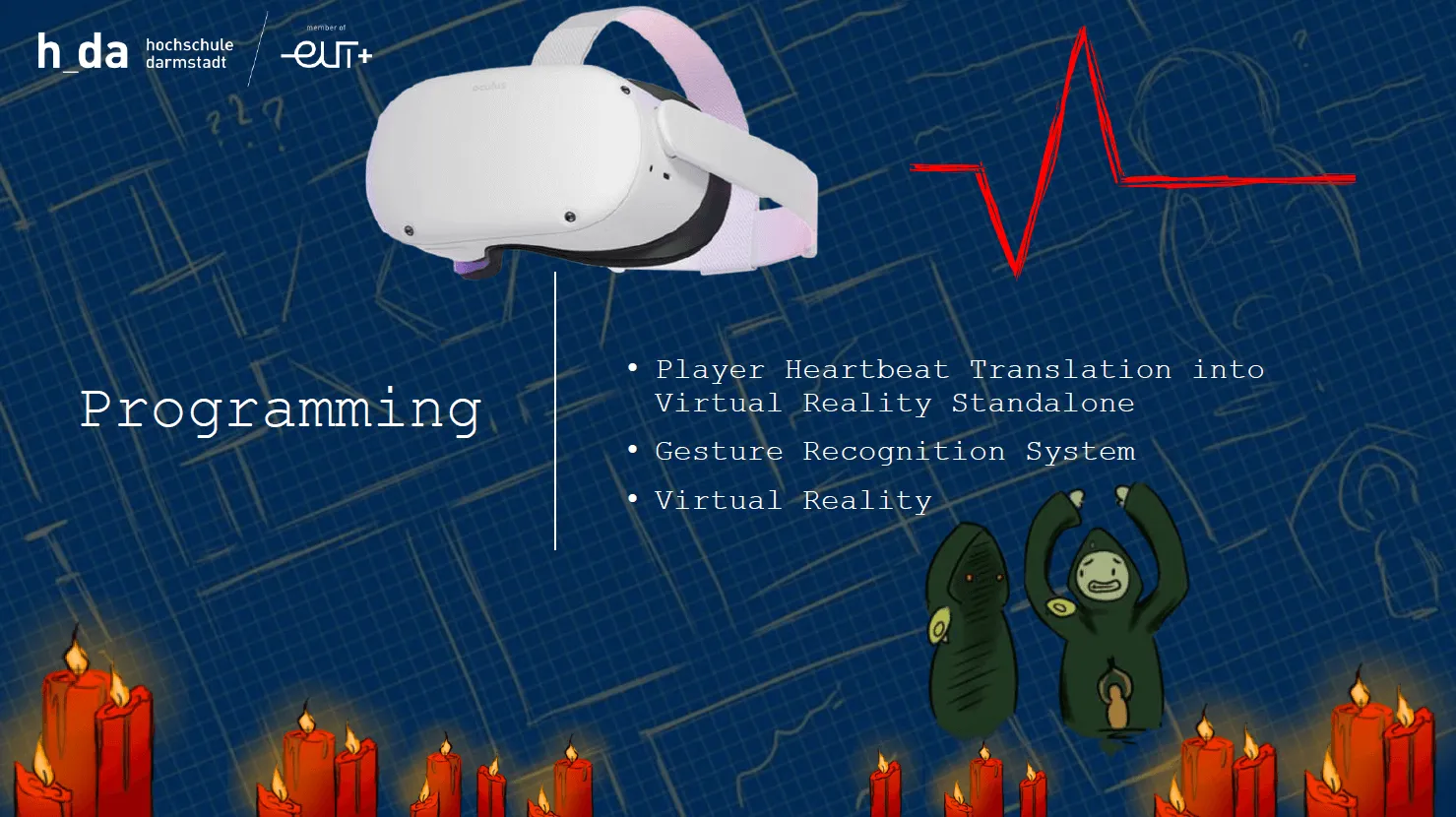
A major technical achievement of this project was the successful integration of a heartbeat monitor with a standalone VR headset.
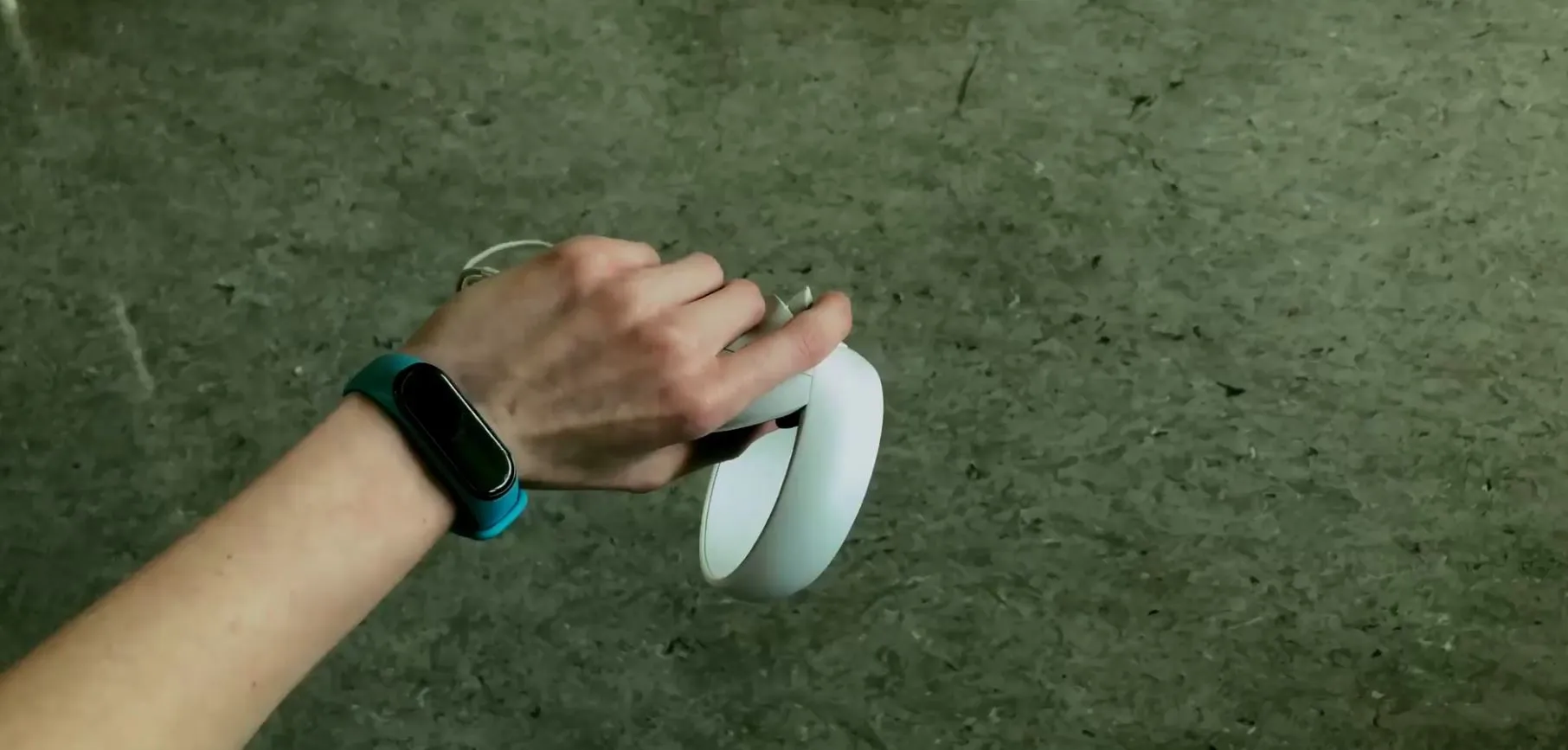
Unlike traditional gaming setups, this system eliminated the need for a PC, allowing direct communication between the headset and an external heart rate monitor via a mobile phone.
The key challenge was establishing a seamless Bluetooth connection, which required extensive research and plugin testing.
After multiple failed attempts with pre-existing solutions, collaboration with the developers of "HypeRate" led to a functional implementation, ensuring real-time pulse tracking within the game.
Dynamic Gameplay Mechanics Based on Heart Rate
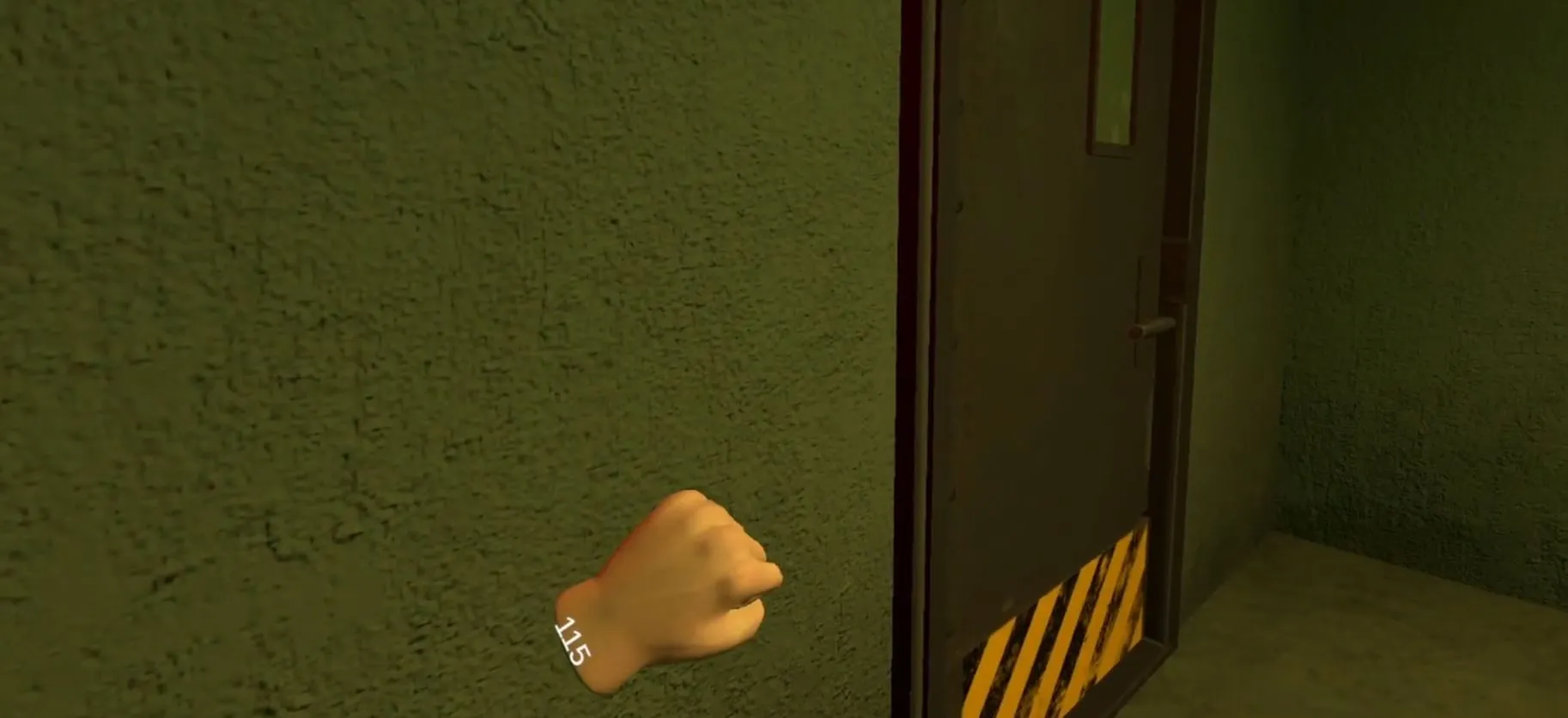
One of the core innovations was translating the player's heartbeat into in-game mechanics.
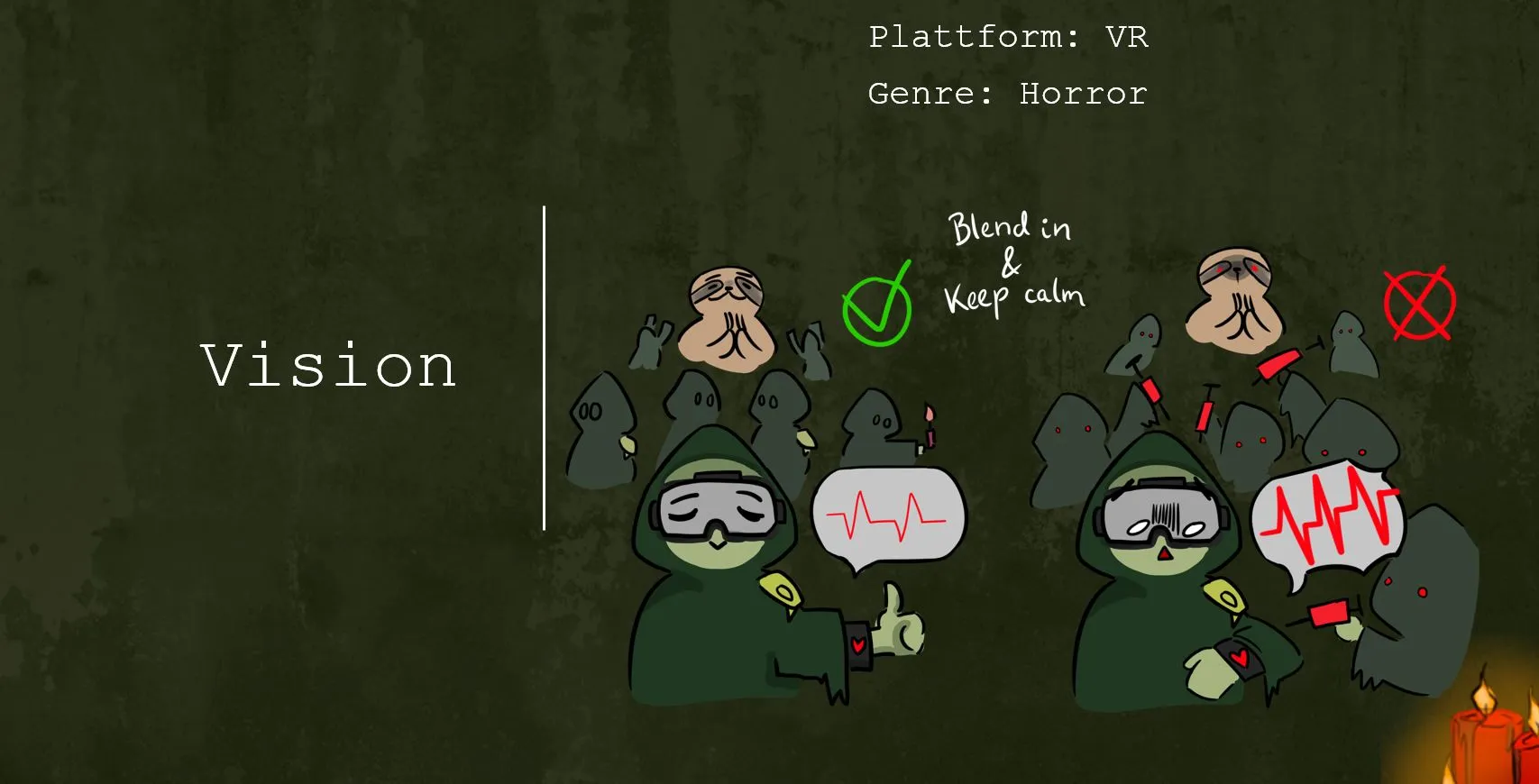
The horror setting relied on a unique stress-based enemy AI—if the player's heart rate increased beyond a certain threshold, enemies would become more aggressive.
This required developing a system that continuously monitored the pulse and adjusted enemy behavior dynamically. To achieve this, custom scripts were implemented in C# to process real-time data and modify AI parameters.
This feature not only increased immersion but also introduced a psychological gameplay element where players had to actively control their stress levels to survive.
Gesture-Based Interaction System in VR
Beyond the heartbeat mechanic, another experimental feature was the implementation of gesture tracking.
Players could draw symbols in the air to interact with the game world, requiring precise tracking of hand movement and position.
The initial prototype stored hand positions over time and compared them against predefined templates to determine accuracy. However, accuracy issues and development bottlenecks led to the integration of the PDollar Gesture Recognition plugin, which significantly improved performance and reliability.
Despite challenges with VR hand-tracking inconsistencies, workarounds were developed to refine the system, ensuring intuitive and responsive gesture recognition.
Overcoming Technical Limitations and Optimization
One of the most significant hurdles encountered was a technical issue within the HurricaneVR asset pack, which caused discrepancies between hand positions in the Unity editor and the built game.
This issue severely impacted the gesture tracking system, requiring multiple iterations to find a workaround. The solution involved manually recalibrating movements for each new gesture, although this process was time-consuming.
Additionally, efforts were made to optimize VR performance, including refining physics interactions and streamlining background processes to ensure smooth gameplay on standalone hardware.
Project Management and Collaborative Development
As both a programmer and a technical designer, contributions extended beyond code implementation to overall project management.
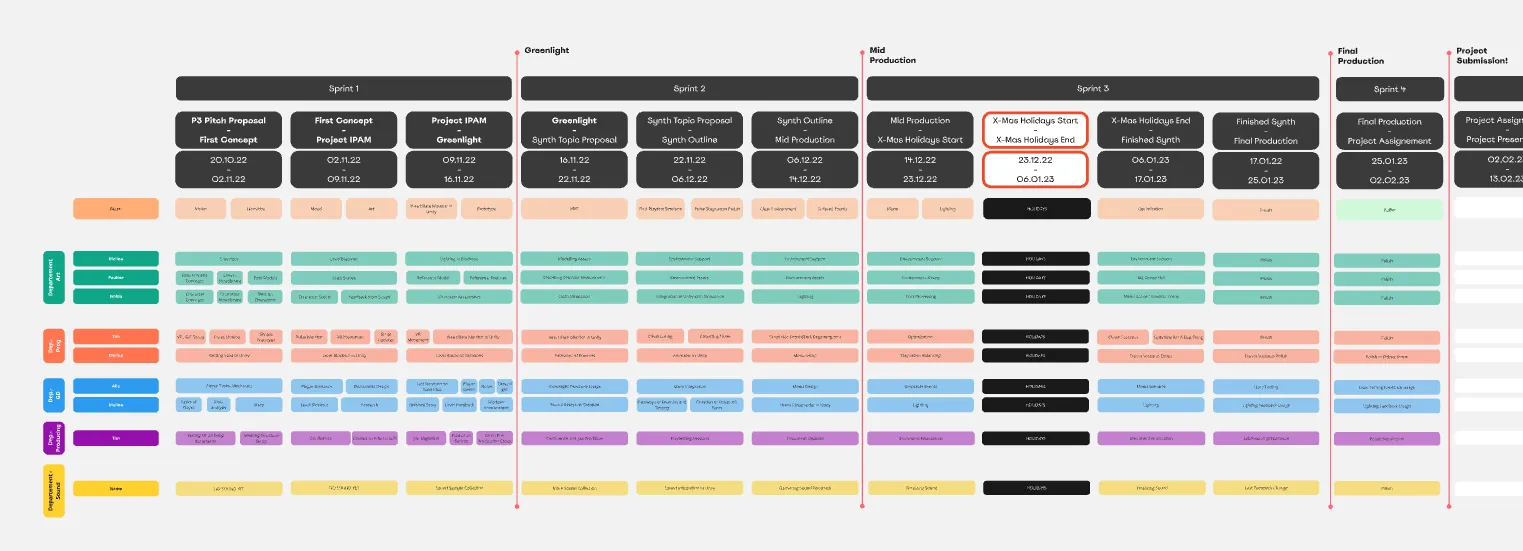
The team adopted a structured workflow using Jira for task tracking and Confluence for documentation, improving communication and efficiency. Git management was also a critical responsibility, ensuring version control and guiding less experienced team members in handling collaborative development.
Through structured retrospectives and iterative improvements, the team successfully tackled challenges and delivered a unique, experimental VR horror experience that pushed the boundaries of immersive gameplay mechanics.