Managing an Experimental VR Project with High Uncertainty
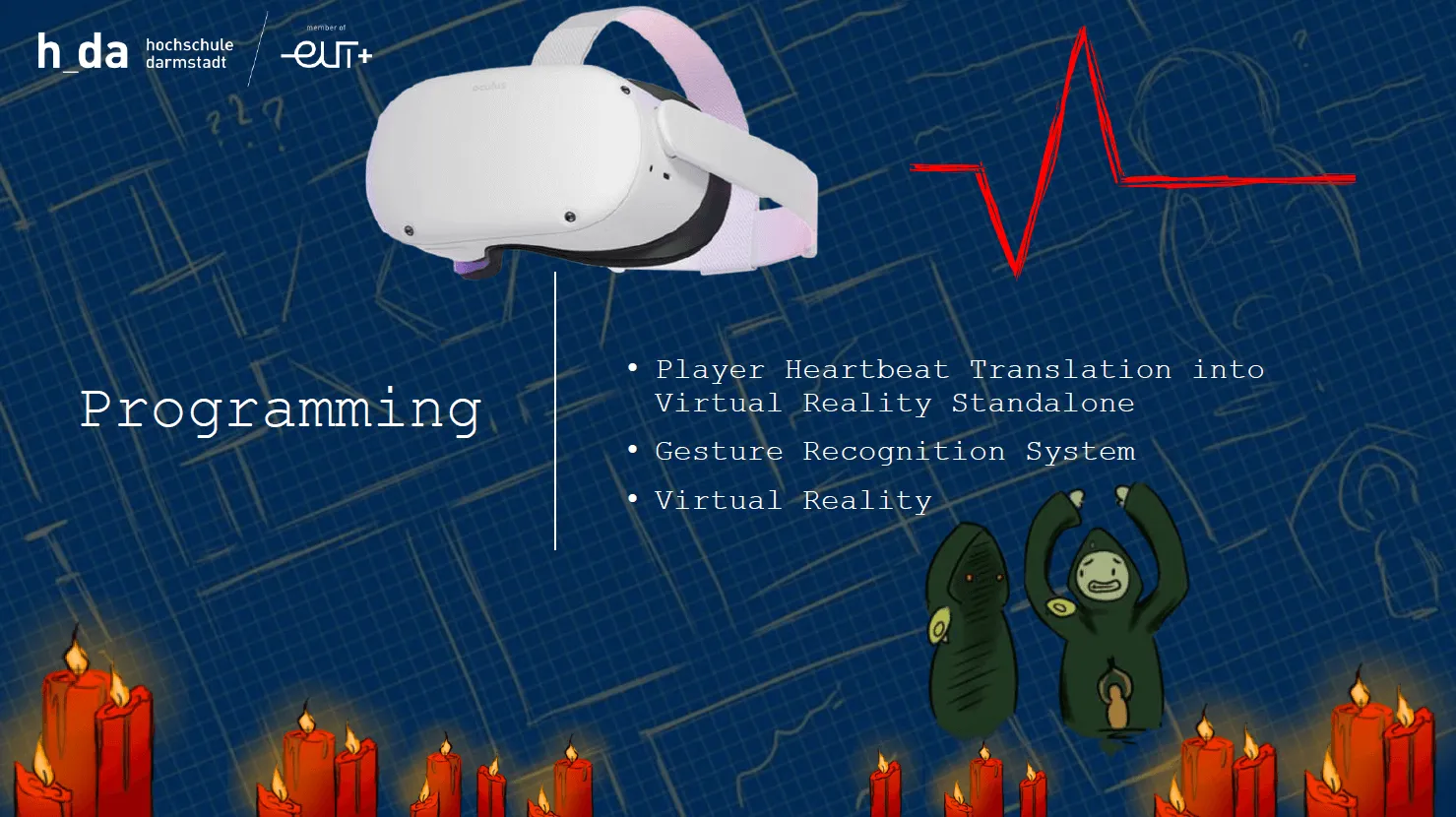
This project was highly experimental, incorporating real-time heartbeat tracking and gesture-based interactions into a VR horror game. Unlike traditional development, where established techniques provide stability, this project required constant problem-solving and uncertainty management. One of the primary challenges was ensuring the heartbeat integration would function reliably. Since the VR headset and heart rate monitor were not designed to communicate directly, the risk of the system failing was high. As a project manager, careful planning, research, and milestone tracking were essential to mitigate these uncertainties.
Identifying and Addressing Technical and Implementation Risks
The biggest technical risk was the possibility that the heartbeat system might not work at all. If Bluetooth communication failed or had too much latency, the game’s core mechanic—stress-based enemy AI—would collapse. A contingency plan was developed, including a fallback system that simulated a heartbeat pattern if needed. Another significant issue was gesture tracking, which initially suffered from accuracy problems due to hand-tracking inconsistencies in HurricaneVR. This required multiple iterations and plugin evaluations to find a reliable solution. Additionally, the VR movement system had bugs that affected gameplay flow, requiring continuous testing and quick decision-making to avoid major project delays.
Time Management and Development Bottlenecks
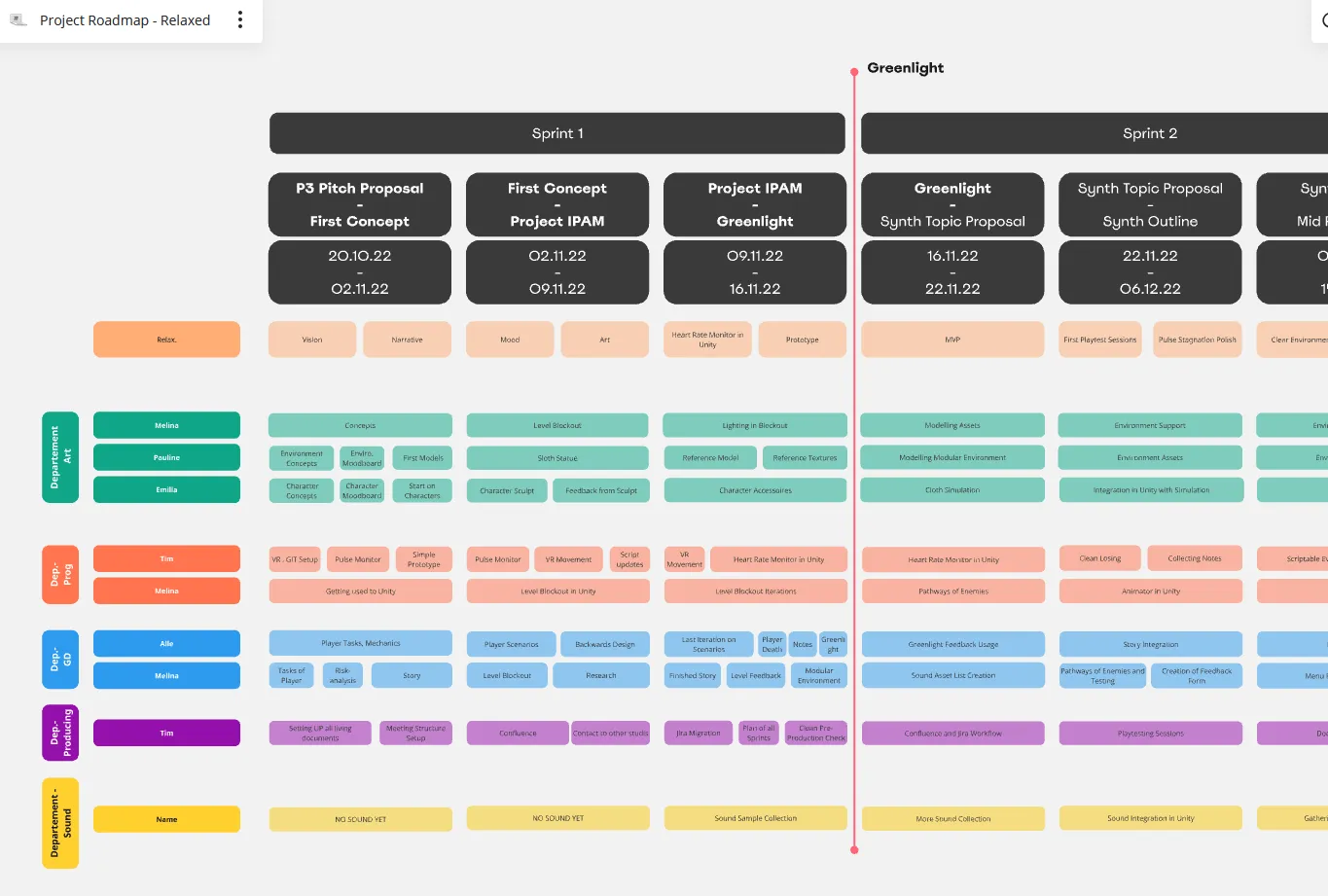
Balancing feature implementation within a limited timeframe was another critical challenge. Since the team was relatively small, every member had multiple responsibilities, increasing the risk of burnout. Weekly stand-up meetings, structured Jira task tracking, and a well-defined scrum workflow helped keep development on schedule. However, unexpected issues, such as the hand position discrepancy in Unity builds, led to unavoidable delays. Since every new gesture test required a complete game build, each iteration took time, slowing down development. Effective task prioritization and scope adjustments were crucial to ensuring the core mechanics were completed before additional features were considered.
Risk of Team Inexperience in Key Areas
Given the experimental nature of the project, there was a high risk of inexperience among team members, particularly in VR development and Bluetooth integration. As a project lead, it was necessary to provide guidance, facilitate learning resources, and encourage collaboration to overcome knowledge gaps. Additionally, Git management was a challenge since many team members were unfamiliar with version control workflows. Regular training sessions, documented workflows, and hands-on problem-solving helped the team become more independent over time, reducing errors and increasing efficiency in handling development tasks.
Success Despite High-Risk Factors
Despite the technical uncertainties, time constraints, and team knowledge gaps, the project successfully implemented its core features and delivered an immersive VR horror experience. The heartbeat tracking, while challenging to implement, became a unique selling point, and the gesture-based interactions improved gameplay immersion. While some connectivity issues remained, the project was deemed a success due to the structured risk management approach, proactive problem-solving, and efficient team coordination. The experience provided invaluable lessons in handling experimental game development, reinforcing the importance of flexibility, technical adaptability, and strong project management practices in high-risk game development environments.