Planning and Structuring Game Projects
At Studio Merkas, projects followed a structured workflow, divided into a broad overarching framework and a detailed internal structure specific to each project. Organizational tools such as Jira and Trello were utilized for tracking progress, while an in-house OKR system was revamped to better define and measure objectives. These tools provided clear documentation, facilitated communication, and allowed developers to stay aligned with project goals. As a project lead, I was responsible for setting up the technical design documents, game design documentation, roadmaps, and other essential planning elements, ensuring a structured approach from inception to execution.
Team Coordination and Leadership
Each project had a dedicated project manager and varying team sizes, ranging from solo developers to larger collaborative efforts. Communication was streamlined through Discord, acting as the central hub for daily interactions and decision-making. My role as project lead involved guiding team members, ensuring workflow efficiency, and overcoming communication barriers, particularly when working with team members who had language constraints. By fostering a culture of collaboration, I ensured that everyone was aligned with the project vision and maintained steady progress.
Technical Challenges and Performance Optimization
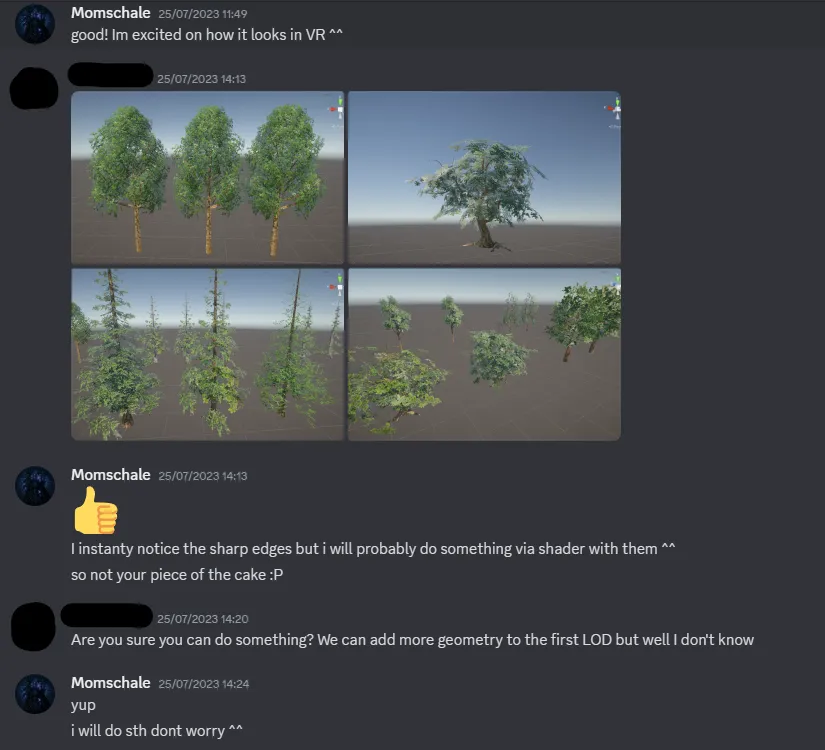
Project managers in game development must address both creative and technical challenges. One of the primary concerns in VR development is performance optimization. Managing assets efficiently, reducing draw calls, and implementing Level of Detail (LoD) techniques were essential in ensuring the game functioned smoothly on the Oculus Quest Meta Pro. I worked closely with artists to optimize assets, ensuring that all elements met the strict performance limitations of standalone VR. Additionally, dynamic occlusion and mesh combination techniques were used to reduce rendering overhead, reinforcing the necessity of technical foresight in project management.
Balancing Innovation with User Experience
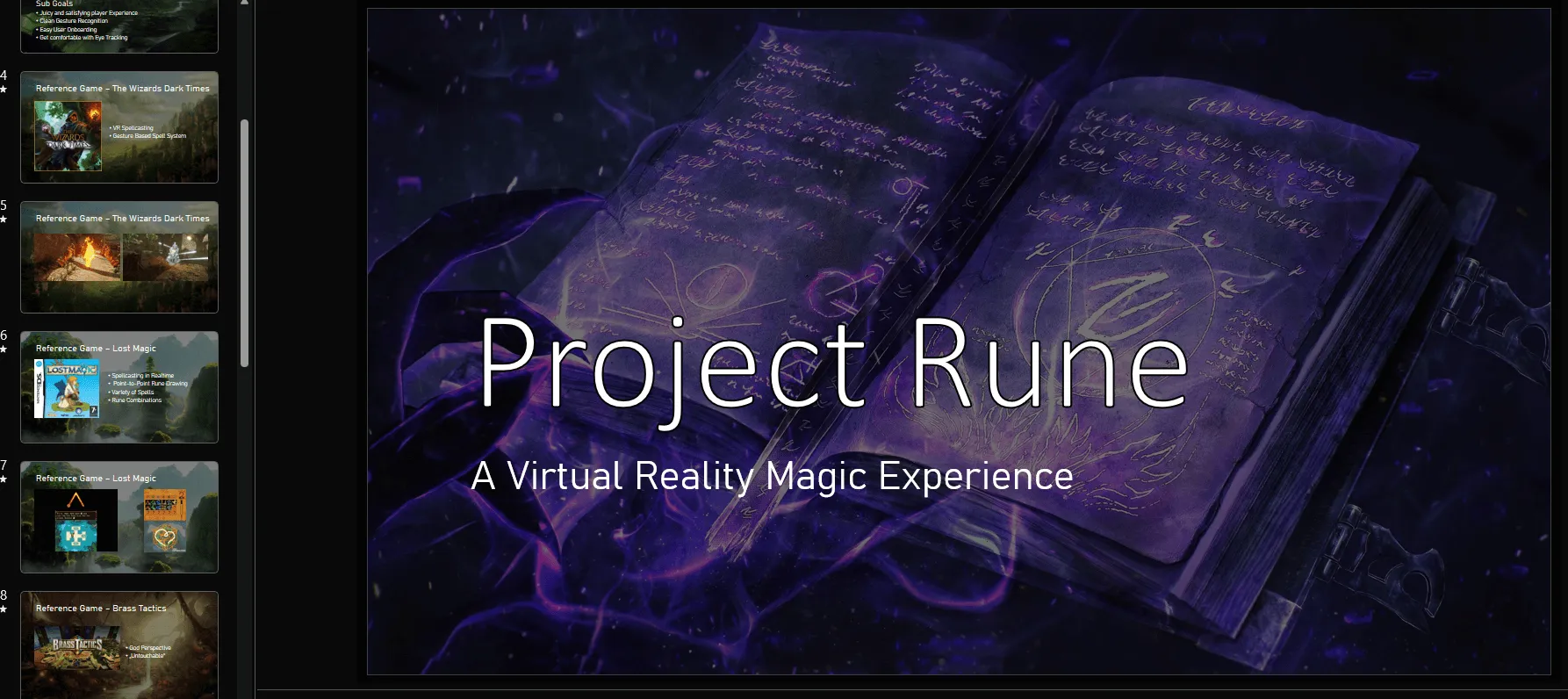
Managing a game project also involves balancing innovation with user experience. In the VR project I led, incorporating hand tracking, gesture recognition, and eye tracking introduced unique interaction methods. However, these novel mechanics also increased complexity, necessitating intuitive tutorials and user testing to ensure accessibility. Recognizing the potential for overstimulation, I adjusted the gameplay structure, shifting to an on-rails shooter format to help players focus on the new mechanics. This strategic decision-making is a crucial aspect of game project management, ensuring that experimental features enhance rather than hinder the user experience.
Documentation and Continuous Improvement
Comprehensive documentation is a cornerstone of successful project management. Throughout my time at Studio Merkas, I maintained detailed records of technical processes, design iterations, and team feedback. This included creating and refining Wiki articles, which served as a reference for both current and future team members. Regular feedback loops, including code reviews and playtesting sessions, provided insights into performance improvements and design refinements. The iterative process of project management ensures that game development remains adaptable and continuously evolving to meet both creative and technical objectives.