Project Management Overview
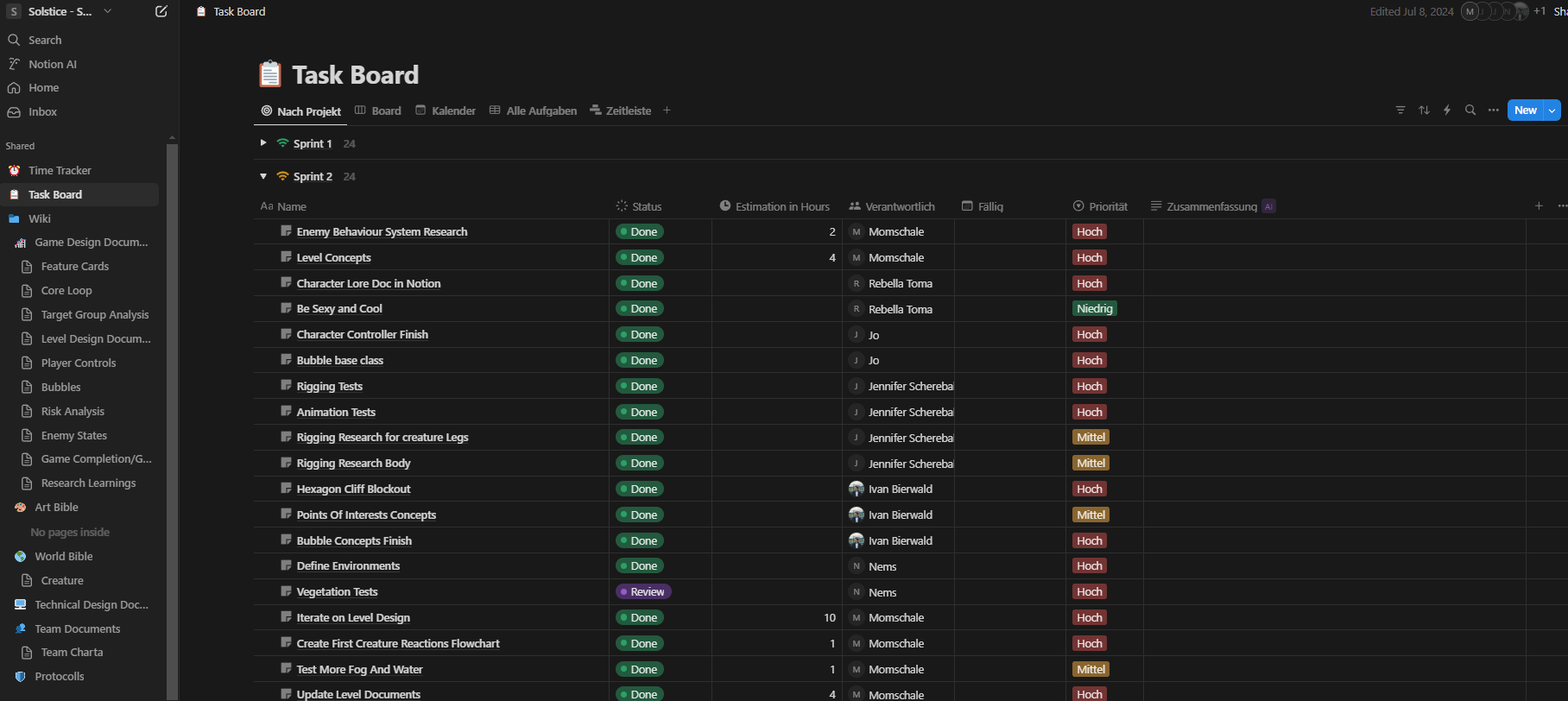
As the Project Manager, I was responsible for overseeing the overall progression of the project, ensuring team collaboration, and maintaining a clear structure throughout development. My role involved refining existing processes, incorporating team feedback, and adapting strategies to meet the project’s needs. One of my core objectives was to improve communication, organization, and efficiency within the team, ensuring that every member was aligned with project goals and timelines.
Implementing Time Management Systems
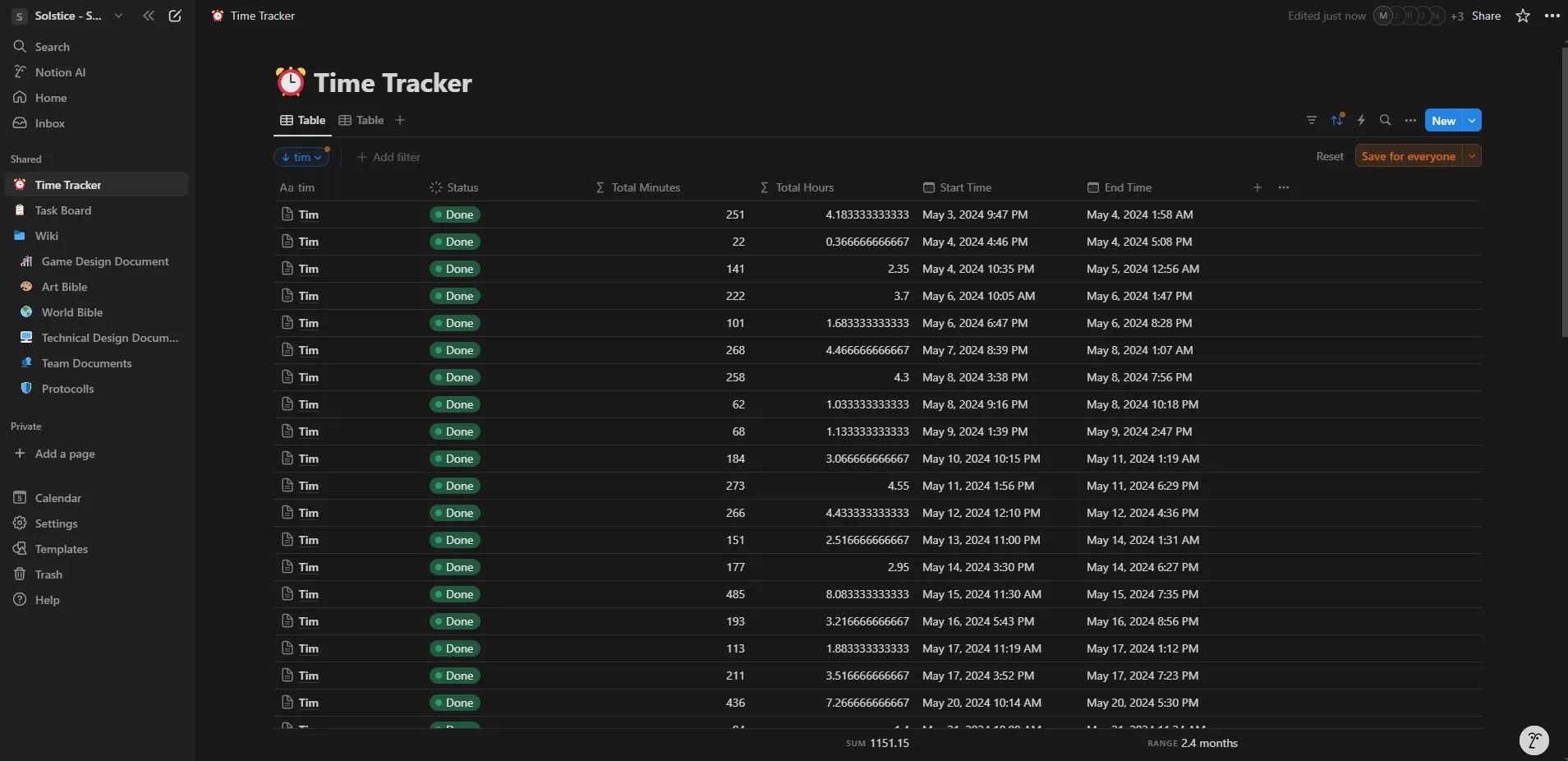
One of the significant improvements I introduced was the Time Tracker system, where team members could voluntarily log their hours. This not only encouraged self-reflection on work productivity but also allowed us to forecast more accurate time estimates for future tasks. By analyzing logged hours, we were able to improve task planning, resource allocation, and even identify potential bottlenecks early on. This system created valuable learning opportunities for the team and ultimately contributed to better time management throughout the project lifecycle.
Enhancing Communication and Transparency
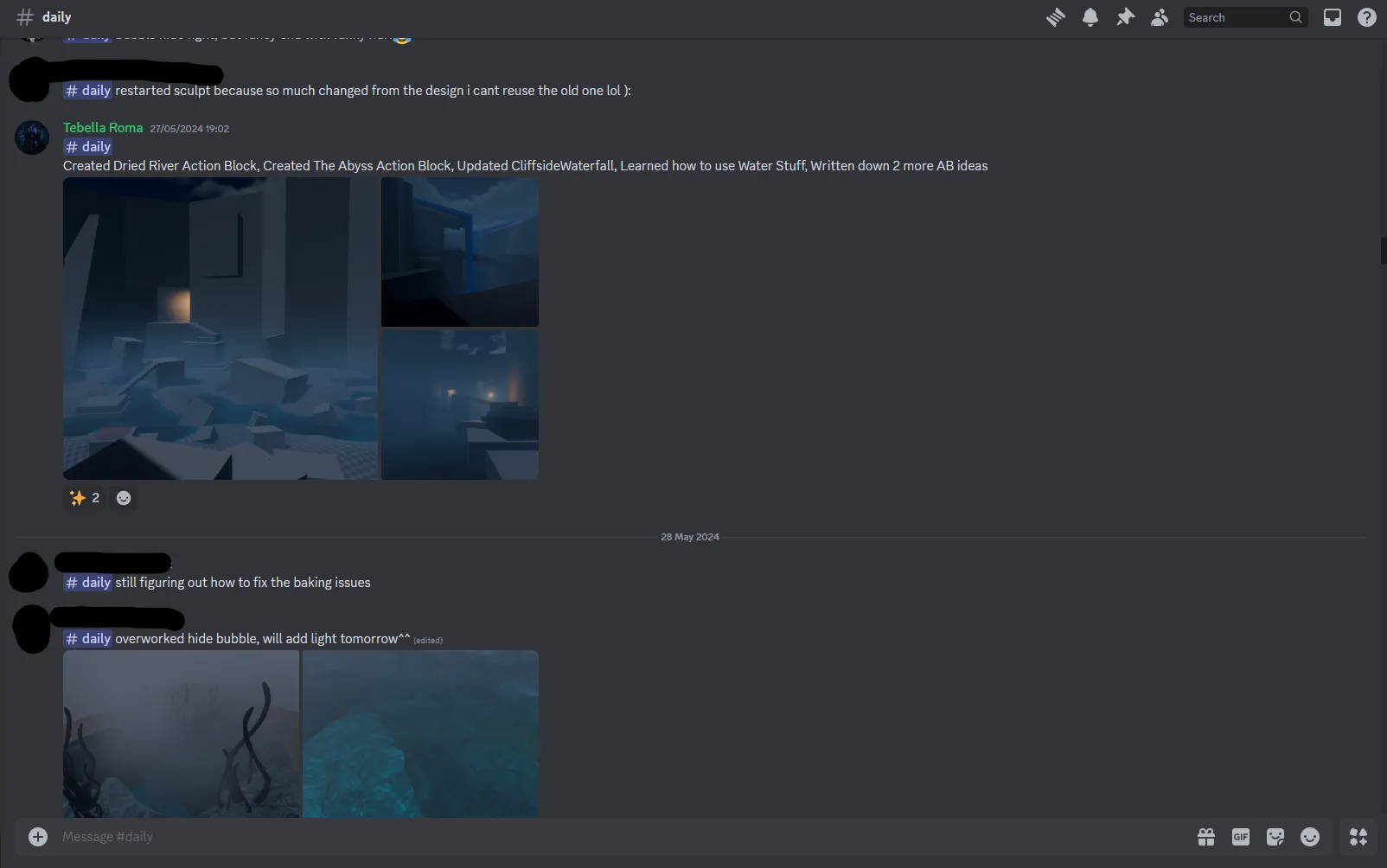
To further improve communication, I implemented a daily update channel where team members were required to post a screenshot of their progress and a brief description of their tasks at the end of each workday. This initiative was designed to increase transparency, keeping everyone informed about the project’s progress and ensuring that no one worked in isolation. It also promoted a culture of accountability, as team members could easily track the status of different tasks, offer assistance, and celebrate small wins.
Initial Project Setup and Methodology Adoption
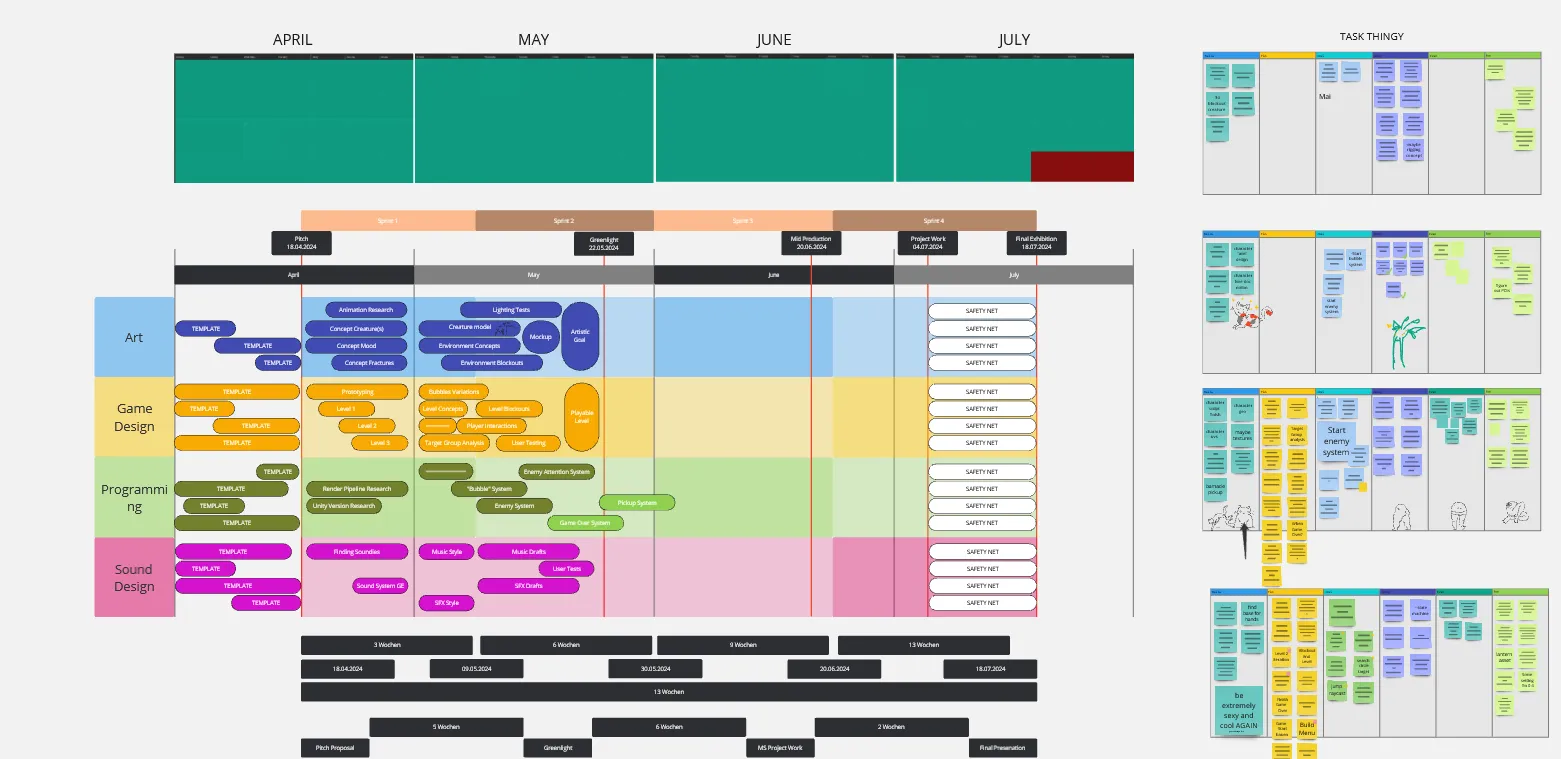
At the beginning of the project, I focused on creating a solid foundation for the team by defining project goals, establishing individual objectives, and selecting the appropriate working methodologies. I prepared key documents, including a development roadmap and asset kanban, to help the team stay organized and focused on priorities. By working closely with the team to gauge preferences and introduce a structured workflow, I was able to ensure that everyone understood their responsibilities and how they contributed to the overall vision.
Streamlining Meetings for Efficiency
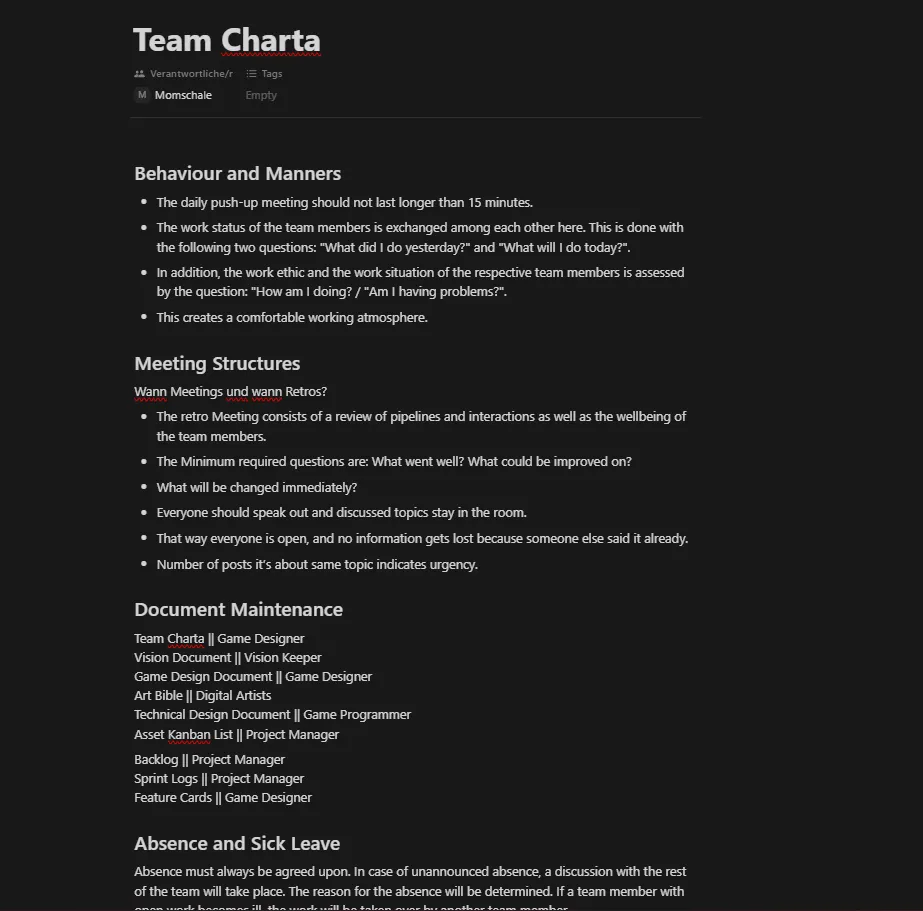
Feedback from team members highlighted that our meetings were often too long, averaging about one hour twice a week. In response, I reorganized our meetings to be more concise and focused. After conducting a retrospective, I successfully reduced meeting time to just 20 minutes, which received positive feedback from the team. This change helped maintain engagement and ensured that our meetings served their intended purpose without unnecessary distractions. I also worked to keep meetings on track, acting as a moderator when needed to steer conversations and prevent them from deviating.
Addressing Communication Gaps
Despite my efforts in organizing documentation, I discovered a significant gap in how the team interacted with the resources I provided. After noticing a lack of engagement with key documents, I intentionally inserted a false milestone into the development roadmap to test whether the team was referencing it. Two weeks later, I realized that no one had noticed the error, revealing that many members were not utilizing the documents effectively despite them saying so.
This insight highlighted a communication gap that needed to be addressed. To tackle this, I made adjustments to our workflow, focusing more on task assignment and active tracking during meetings to ensure that everyone stayed on top of their responsibilities.
Task Management and Team Engagement
With a clearer understanding of the team's work habits, I restructured our meetings to focus on task management and progress tracking. This approach allowed me to ensure that tasks were consistently assigned, deadlines were met, and team members had clear ownership of their work.
However, I noticed that some team members lacked initiative and often waited for prompts to contribute ideas or take on new tasks. To encourage greater participation, I worked to foster a culture of proactivity by ensuring that everyone understood their roles and felt empowered to contribute to decision-making.
Leadership Growth and Adaptability
Throughout the project, I was constantly challenged to improve my leadership skills. I pushed myself to take on a more assertive role in directing the team while maintaining a balance between authority and approachability. This experience helped me refine my ability to plan, adapt, and track progress, as I continuously adjusted our strategy to ensure the project remained on track.
While some challenges arose, such as lack of motivation or uneven engagement among team members, I stayed committed to ensuring the project moved forward. I made adjustments where necessary and worked hard to motivate the team, even in the face of setbacks.
Project Outcome and Reflection
In the end, the project was completed successfully, and despite some challenges, I was able to maintain a positive atmosphere and achieve the desired outcomes. My efforts were recognized not only by the team but also by the department, as I received positive feedback for my management style and contributions.
The experience reinforced my passion for project management and provided valuable insights into team dynamics, task management, and leadership. While I faced difficulties, I was able to continuously evolve and improve my approach, setting a solid foundation for my future growth in this field.