Introduction: Modding as a Foundation for Game Design
Modding is one of the most powerful and accessible ways to break into game design. It allows creators to experiment with existing systems, repurpose assets, and build new gameplay experiences inside already established games.
More than just a creative outlet, modding is a hands-on learning tool that reveals how games are structured on a mechanical and systemic level. It’s where many designers, including myself, first explored the principles of level design, player feedback, and mechanic integration.
Designing Counter-Strike Maps with the Hammer Editor
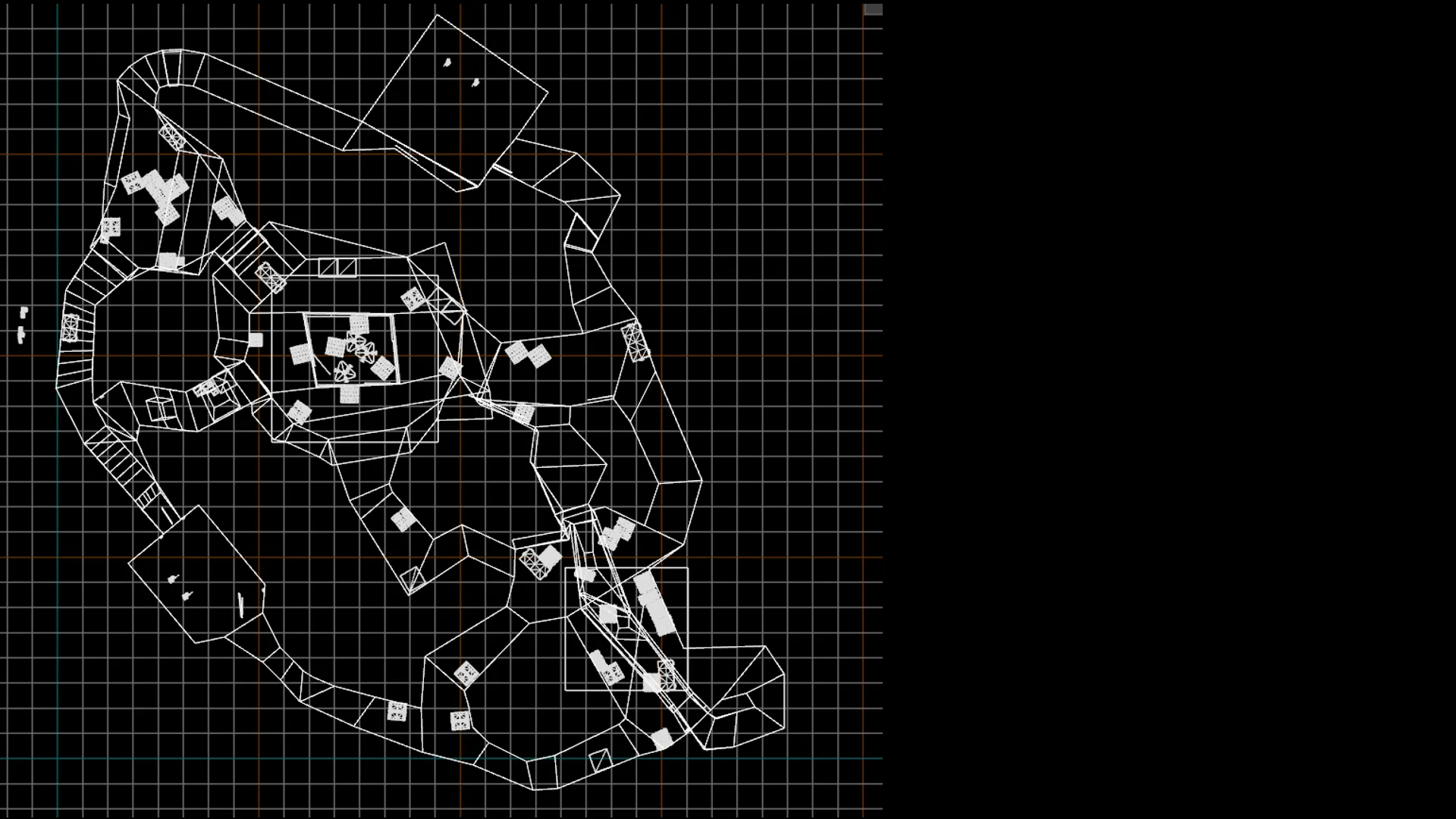
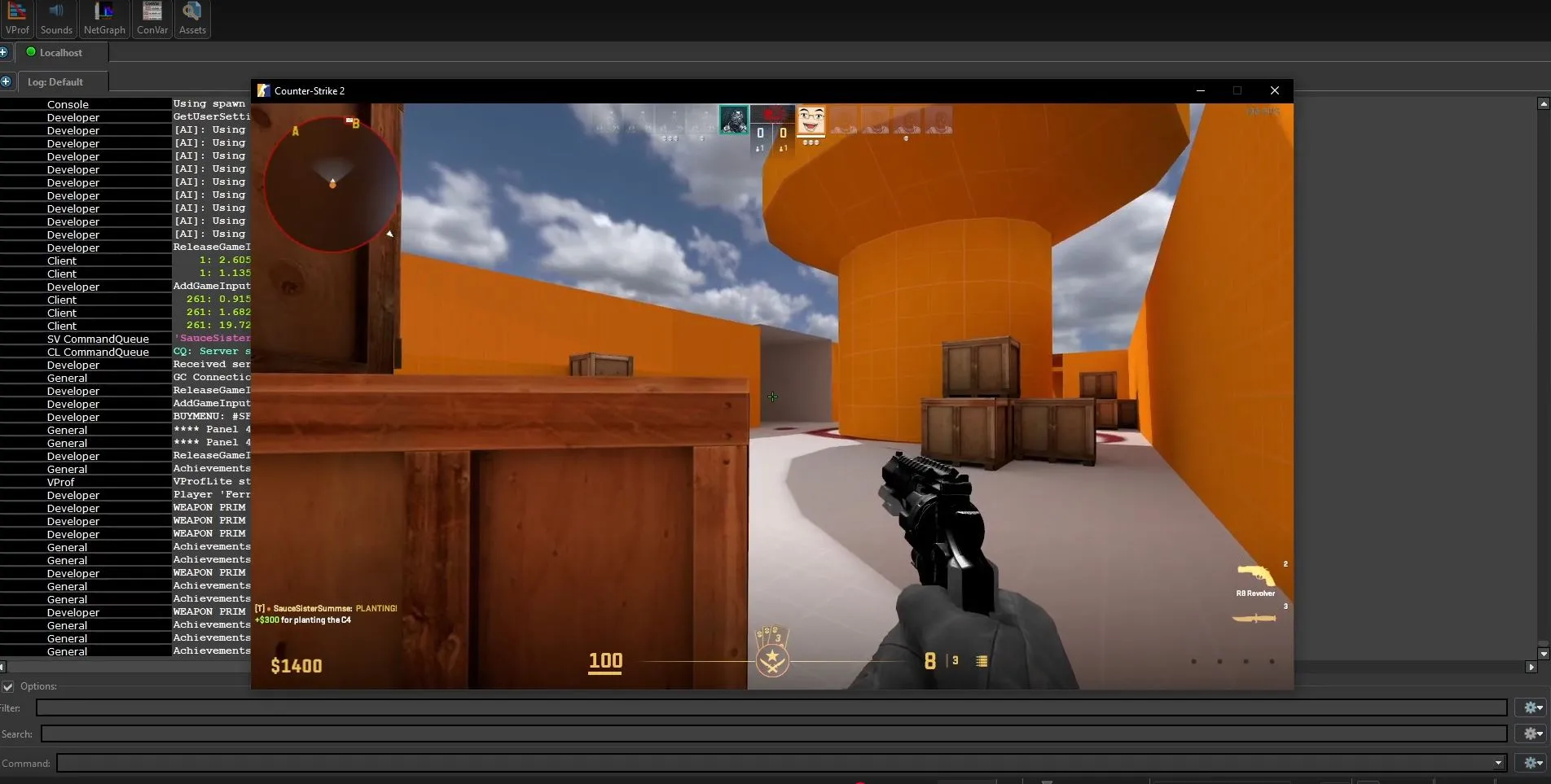
I’ve spent a significant amount of time working with Valve’s Hammer Editor, creating custom maps for Counter-Strike: Global Offensive and Counter-Strike 2. This process involved:
- Designing competitive layouts that balance tension, space, and timing
- Placing spawns, chokepoints, and cover to influence tactical flow
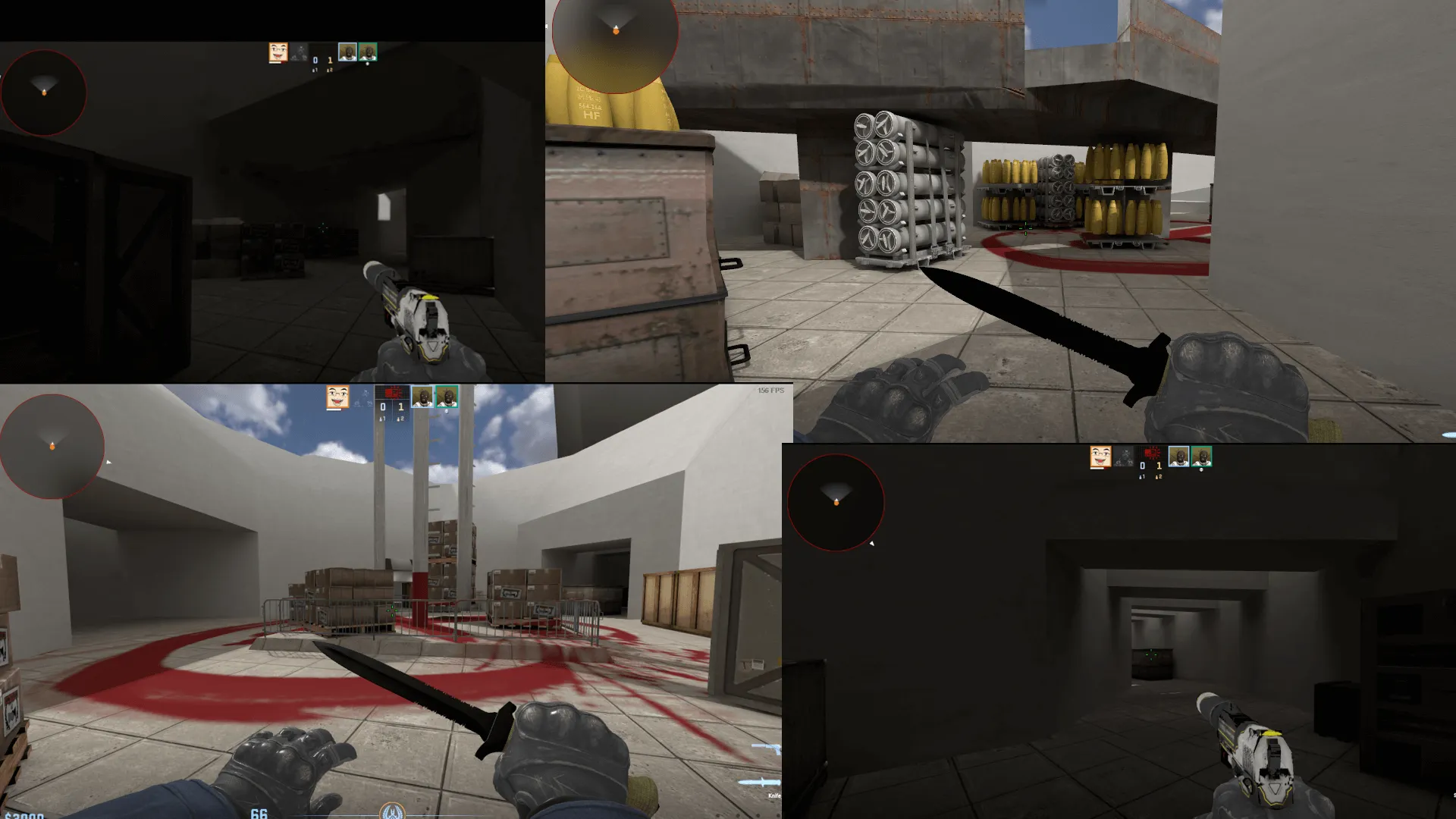
- Implementing lighting and visibility zones to enhance clarity and mood
- Continuously playtesting maps with friends, gathering feedback, and iterating on layout
Playing my maps in live lobbies taught me the importance of flow, readability, and fairness in multiplayer design. It also reinforced how small design decisions can shape an entire match experience.
Community-Driven Creativity and Social Play
Modding thrives within its community. Sharing creations through platforms like the Steam Workshop opens up dialogue between designers and players. This ecosystem of feedback and iteration is where modding truly comes alive.
Some of the most valuable feedback came from private play sessions with friends, where we explored newly built maps together. These sessions revealed how people interpret space, approach objectives, and find unintended strategies.
It made clear that game design is a social process, and player interaction is just as important as technical execution.
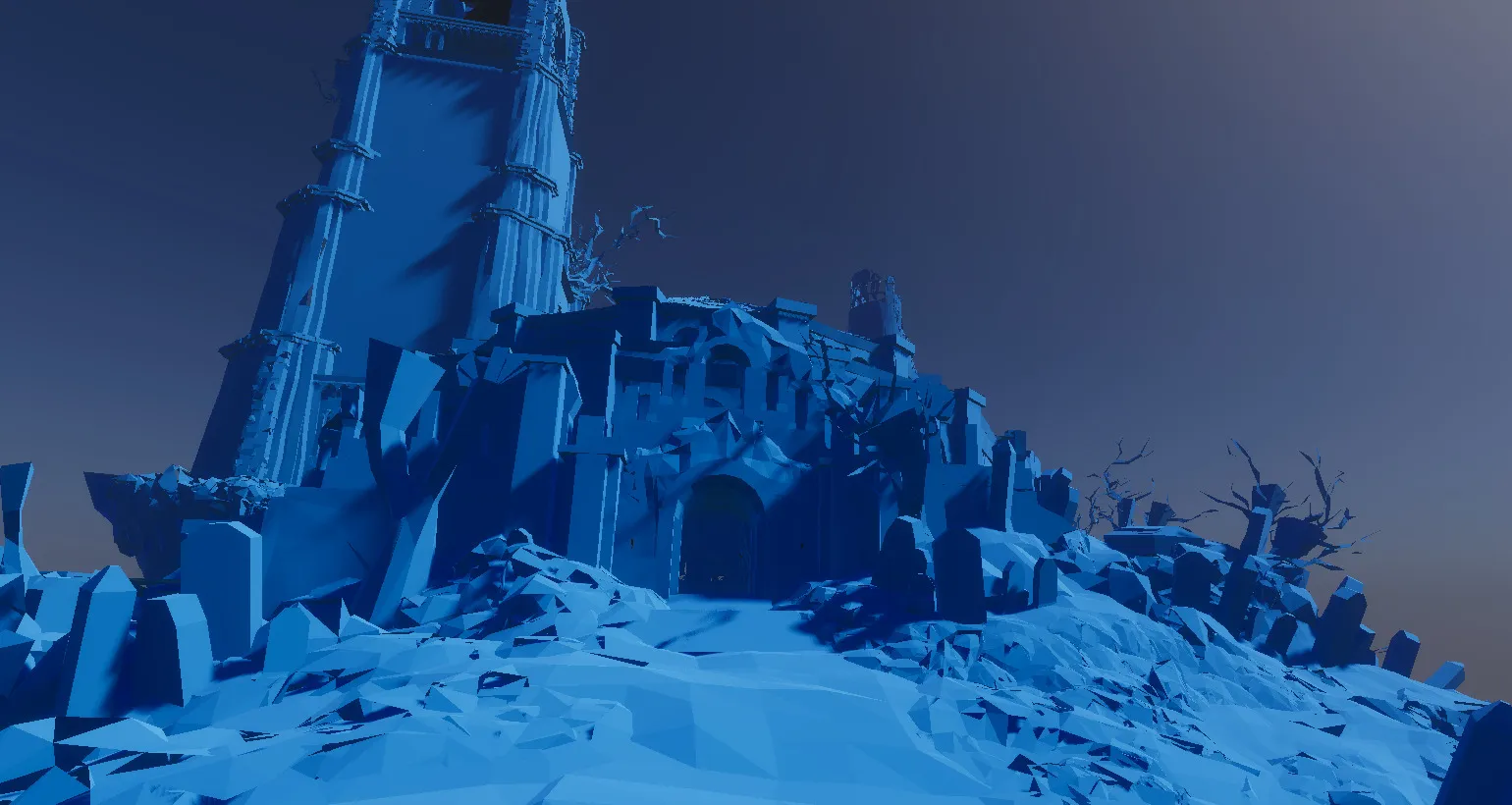
Key Lessons Learned from Modding
Working with modding tools taught me lessons that extend far beyond level creation:
- Systems Thinking: Understanding how movement, weapon mechanics, and environment shape gameplay
- Pacing and Flow: Designing spaces that manage intensity and downtime effectively
- Iteration: The importance of refining ideas through repeated testing
- Affordance: Making sure that interactive elements are immediately recognizable
- Balance: Ensuring maps are fair and engaging for all playstyles
Modding offered a complete environment to experiment, fail, and improve without the barrier of full-scale production.
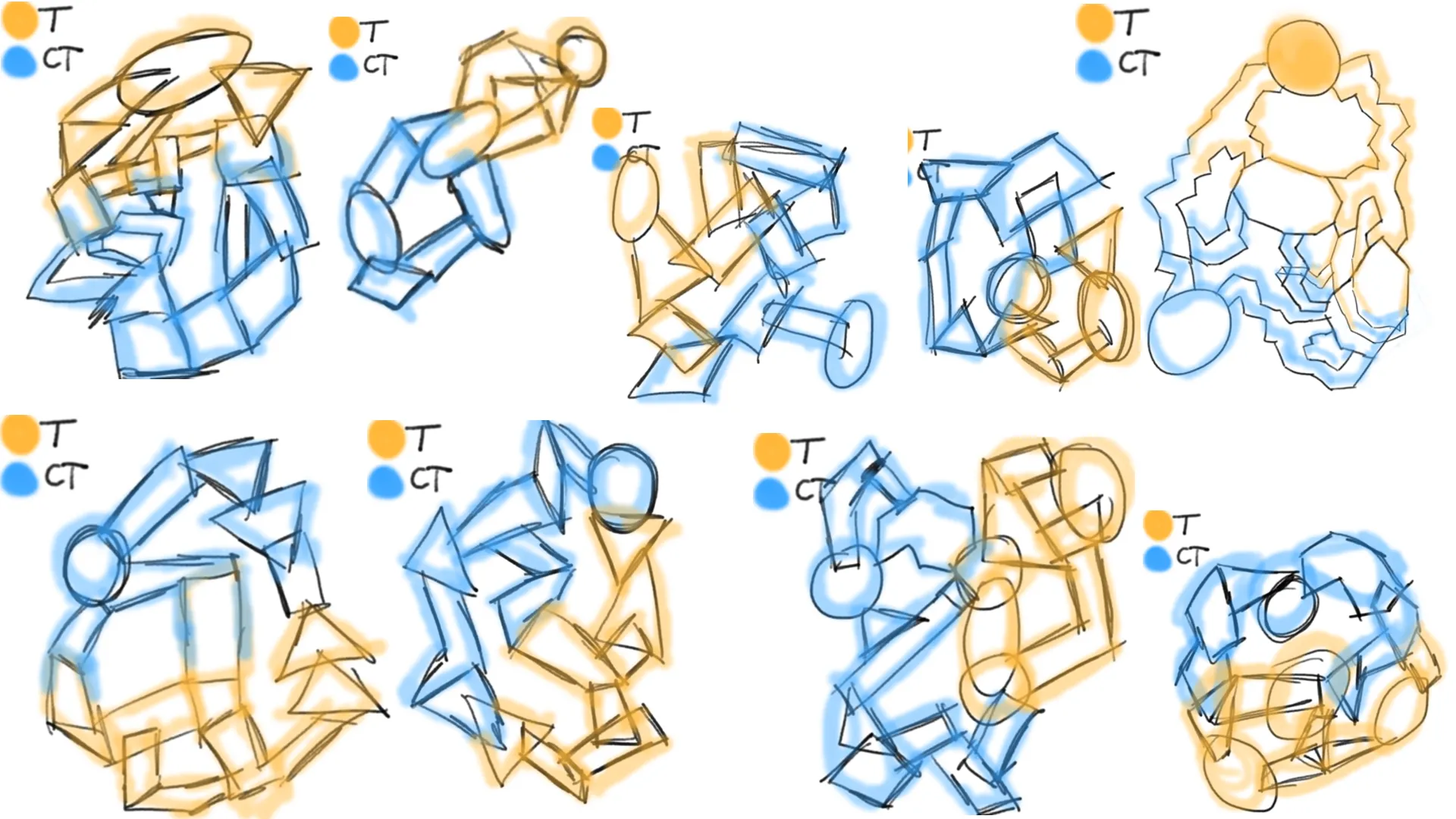
Why Modding Is Still Part of My Workflow
Even today, I regularly use modding tools like the Hammer Editor and Minecraft mod kits as part of my creative process. They allow me to:
- Quickly prototype new mechanics or layouts
- Test gameplay loops in a real-world setting
- Collaborate with other players and designers in a low-stakes environment
Modding continues to be a space where I can experiment freely, learn by doing, and connect with others through play. Whether for fun or for professional exploration, it remains a crucial part of how I understand and shape player experiences.